Tooth extraction
Extraction is discussed when a tooth cannot reasonably be kept because of decay, a fracture, infection or the bite. We first consider whether the tooth can be saved; extraction is planned only when it is needed.
The procedure is usually carried out under local anaesthetic. Aftercare, biting and the expected healing are explained. In some cases a surgical extraction is required.
Who might it be for?
- Teeth that hurt because of deep decay or a fracture
- Loose teeth or teeth with weak supporting tissue
- Teeth that are impacted or have not fully erupted
- Teeth whose removal is suggested before a prosthesis or orthodontics
How does the process work?
- ExaminationThe tooth and surrounding tissues are assessed; an X-ray is taken if useful.
- ExplanationWhy extraction is being discussed, and the alternatives, are shared.
- AnaestheticThe area is numbed with local anaesthetic.
- ExtractionThe tooth is removed according to the plan.
- CareAdvice on biting, eating and hygiene is given; a review is booked if needed.
Frequently asked questions
Is extraction always necessary?
No. We first look at whether the tooth can be treated and kept.
Will I feel pain during the procedure?
The area is numbed. What you may feel is explained beforehand.
Will there be swelling afterwards?
Mild swelling or tenderness is possible. Rising pain, fever or unexpected bleeding should be reported to the practice.
What happens to the gap?
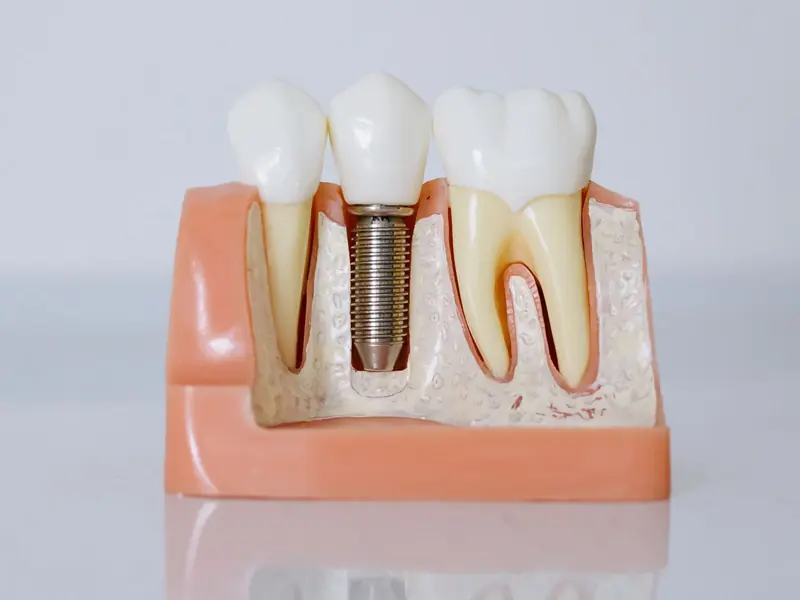
How the missing tooth might be replaced is discussed after healing.
Information on this page is for general guidance. The right treatment for you is decided by your dentist after examination and any necessary tests.
Extractions
When you submit the form, a ready WhatsApp message opens.